
On this page
Key Takeaways
- Institutional-grade cryptocurrency custody accounts utilize segregated vaults rather than fractional reserve practices, providing clients with substantial insurance coverage that often reaches up to $50 million.
- Multi-signature custody accounts require multiple keys to access funds, eliminating the single points of failure found in standard single-key storage setups.
- Many cryptocurrency exchanges operate on a fractional reserve basis, creating liquidity shortages during surges in withdrawal demand that jeopardize access to customer holdings.
- Self-hosted cryptocurrency storage lacks insurance coverage and professional support, leaving individuals exposed to permanent asset loss from misplaced private keys, hardware malfunctions, or malware.
The Problem with Holding Crypto on an Exchange
Holding your cryptocurrency on an exchange might seem convenient, but it carries several significant risks that could jeopardize your assets. Here are the primary issues associated with relying on exchanges for crypto storage:
1. Security Vulnerabilities
Exchange accounts are prime targets for cybercriminals due to their high-value nature. The security of these accounts often hinges on weak passwords and basic two-factor authentication (2FA) methods, such as email or phone verification. Unfortunately, these methods are easily compromised, leaving your assets at risk of theft.
2. Fractional Reserve Policies
Many exchanges operate on a fractional reserve basis, meaning they do not hold all your assets in reserve at any given time. This practice can lead to liquidity issues, especially during periods of high withdrawal demand. If an exchange experiences a sudden surge in withdrawal requests, it may not have enough assets to fulfill them, putting your holdings in jeopardy.
3. Asset Accessibility
To use your assets for transactions or transfers, you need to move them from the exchange to a wallet. This process can be cumbersome and time-consuming, particularly when dealing with large amounts of cryptocurrency.
4. Lack of Advanced Features
Exchanges typically lack advanced features that enhance security and convenience. For example, most exchanges do not offer multi-signature (multi-sig) capabilities, insurance, or beneficiary options. These features are essential for ensuring the long-term safety and usability of your assets.
5. Additional Concerns
Numerous other issues, such as the potential for exchange insolvency and operational risks, further exacerbate the problems associated with holding crypto on an exchange. The collapse of major exchanges in the past serves as a stark reminder of these risks.
The Issues with Self-Hosted Storage
Self-hosting your cryptocurrency presents its own set of challenges, which can be equally daunting. Here are the key issues you might encounter:
1. Key Management
One of the most significant risks of self-hosted storage is the potential loss of private keys. Without your private keys, you cannot access your assets, leading to a permanent loss. Many individuals have lost substantial amounts of cryptocurrency due to misplaced or forgotten keys.
2. Vulnerability to Malware
Hot wallets, which are connected to the internet, are highly susceptible to malware attacks. Hackers continuously develop sophisticated methods to infiltrate these wallets, steal private keys, and siphon off funds.
3. Cold Wallet Risks
While cold wallets, which are offline, offer enhanced security, they are not without risks. Cold wallets can malfunction, break, or become infected with malware if improperly handled. Additionally, storing cold wallets on your person or in a single physical location exposes you to the risk of physical theft or coercion.
4. Lack of Insurance and Support
Self-hosted storage does not come with insurance coverage or professional support. In the event of a breach or loss, you are solely responsible for the consequences, with no recourse for recovery.
5. Convenience Issues
Managing self-hosted wallets can be complex and inconvenient, especially for those unfamiliar with the technical aspects of cryptocurrency. This complexity can lead to errors and potential losses, further complicating the safe storage of your assets.
Why Institutional-Grade Qualified Custody is the Future
At DAG Wealth, we believe that institutional-grade qualified custody represents the future of cryptocurrency asset management. Here are the key reasons why this approach is superior:
1. Professional Handling
Institutional-grade custody involves professional management of your assets, eliminating the risk of human error. Professionals are trained to handle the complexities of custody, ensuring that your assets are stored securely and efficiently.
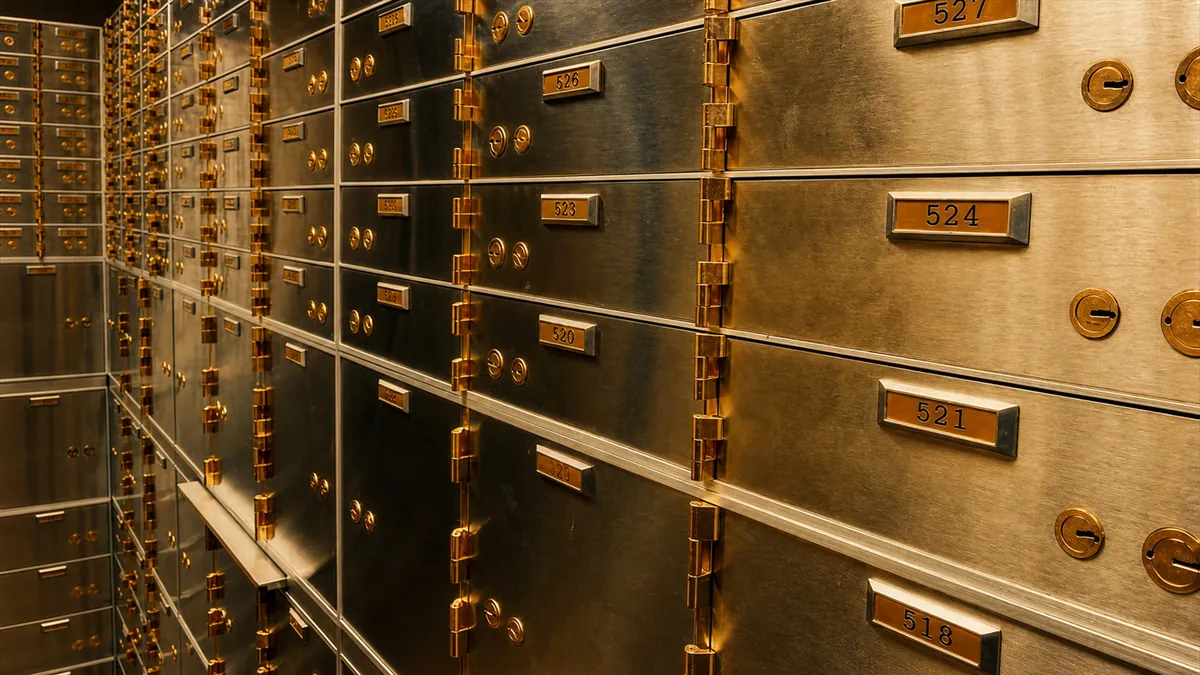
2. Segregated Vaults
Your assets are stored in segregated vaults, ensuring that they are not subject to fractional reserve practices. This means your assets are always available when you need them, providing peace of mind and enhanced security.
3. Efficient Asset Usage
Even with your assets in custody, you can still utilize them through escrow services. This feature allows you to make transactions and transfers without compromising the security of your holdings.
4. Insurance Coverage
Institutional-grade custody accounts come with substantial insurance coverage, often up to $50 million. This coverage provides an additional layer of security, protecting your assets against unforeseen events.
5. Multi-Signature Accounts
Multi-signature accounts require multiple keys to access funds, significantly enhancing security. This feature ensures that no single point of failure can compromise your assets.
6. State-of-the-Art Security
Institutional-grade custodians continuously improve their security measures to stay ahead of emerging threats. These custodians employ top-tier security protocols, ensuring that your assets are protected against the latest cyber threats.
The Evolution of Cryptocurrency Security
For a long time, cold storage was considered the gold standard of cryptocurrency security. However, industry practices are rapidly changing. At DAG Wealth, we recognize that the future lies in solutions that mirror traditional financial products, providing our high-net-worth clients with a familiar and secure experience. This evolution means no more worries about losing your cryptocurrency due to human error or security breaches.
Our Commitment to Excellence
At DAG Wealth, we are dedicated to offering professional-grade products that are essential for the mass adoption of cryptocurrency. We strive to make these products accessible to a broader audience, enabling everyone to invest in crypto with confidence. Our commitment to excellence ensures that your assets are always secure and available when you need them.
Secure Your Crypto Future Today
If you’re ready to elevate your cryptocurrency experience, we invite you to connect with us. Let us help you access institutional-grade products you can trust. Contact DAG Wealth today to secure your crypto future.
Frequently Asked Questions
What are the main risks of holding cryptocurrency on an exchange?
Exchanges face major security vulnerabilities, including cyberattacks targeting weak passwords and basic two-factor authentication. Many exchanges also operate on fractional reserves, meaning they may lack sufficient assets during high withdrawal periods. Additionally, exchanges often lack features like multi-signature security, insurance coverage, and beneficiary options, while exposing users to potential operational failures or insolvency.
What are the risks associated with self-hosted crypto wallets?
Self-hosted storage requires managing private keys, where misplaced keys result in permanent asset loss. Internet-connected hot wallets are vulnerable to malware attacks, while offline cold wallets can break, malfunction, or be stolen physically. Furthermore, self-hosted storage provides no professional support or insurance coverage, leaving users solely responsible for any losses caused by technical errors or security breaches.
How does institutional-grade qualified custody protect cryptocurrency?
Institutional-grade qualified custody uses professional asset managers, segregated vaults to avoid fractional reserve practices, and multi-signature accounts to remove single points of failure. Accounts also provide substantial insurance coverage, often up to $50 million, to protect against unforeseen events. Additionally, clients can execute transactions securely through escrow services while benefiting from continuous security protocol updates.
What are multi-signature accounts and why are they important in crypto custody?
Multi-signature accounts require multiple keys to access funds, significantly enhancing security compared to single-key setups. This design ensures that no single point of failure can compromise your assets. Most cryptocurrency exchanges do not offer multi-signature capabilities, making institutional-grade custody accounts that include multi-signature authorization a safer option for protecting holdings against human error and security threats.